Introduction
Lace is more than a fabric—it tells a story of elegance, tradition, and timeless style. From 16th-century European royalty to today’s bridal gowns and modern runways, lace continues to shine as one of the most admired materials. In this article, you’ll discover how lace evolved through the centuries and why it remains a symbol of beauty and creativity.
1. Early Origins: A Luxury for the Elite
Lace first appeared in Europe during the 16th century, especially in Italy and France. At that time, lace was handmade and extremely valuable. According to historical records on Wikipedia, it was mainly used by royalty and the church. Because of its delicate craftsmanship, lace quickly became a clear sign of wealth and prestige.
Over time, lace spread across the continent. Nobles and wealthy merchants began adding lace to their garments, turning it into an essential element of European luxury fashion.
2. Lace in the 17th–18th Century
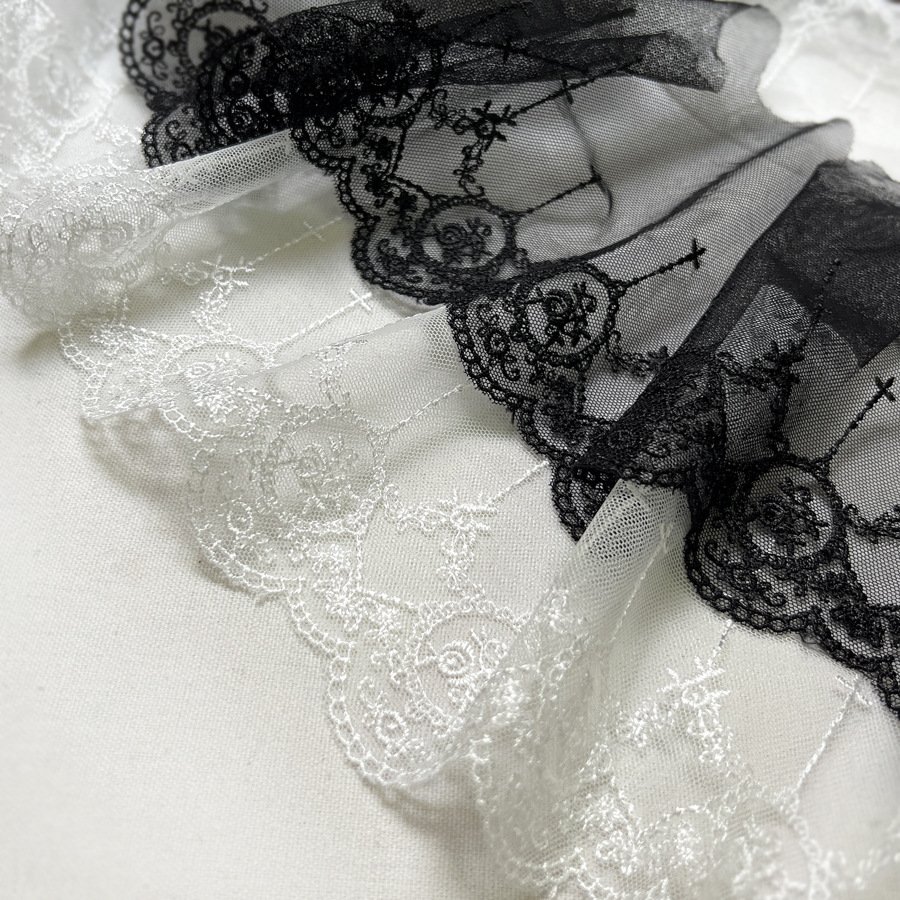
During the reign of Louis XIV, lace truly reached its golden age. Both men and women wore lace on collars, cuffs, and shawls, making it an everyday statement of style and status. As fashions evolved, lace production became more refined. Consequently, new regional styles—such as Venetian, Chantilly, and Brussels lace—emerged and gained worldwide fame.
3. Industrial Revolution: Lace for Everyone
The 19th century brought major change. With the invention of lace-making machines, production became faster and more affordable. As a result, lace was no longer reserved for the elite. It entered ordinary homes as a beautiful addition to curtains, handkerchiefs, and tablecloths.
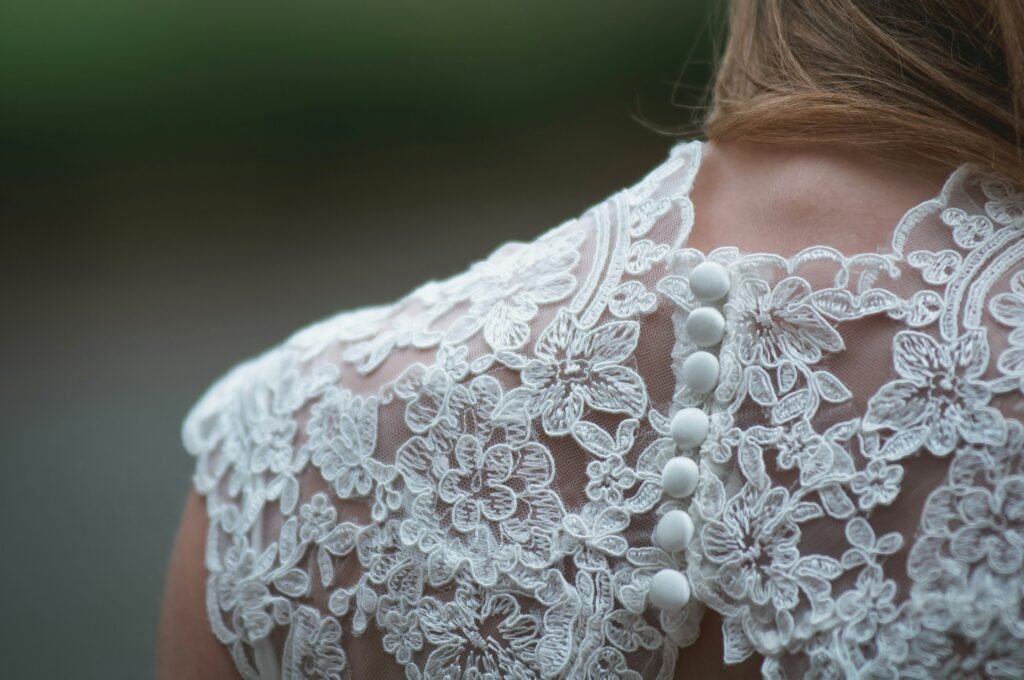
Furthermore, lace found new life in bridal fashion. Because it symbolized romance and purity, it became the preferred fabric for wedding dresses—a tradition that continues today.
4. Lace in Modern Fashion
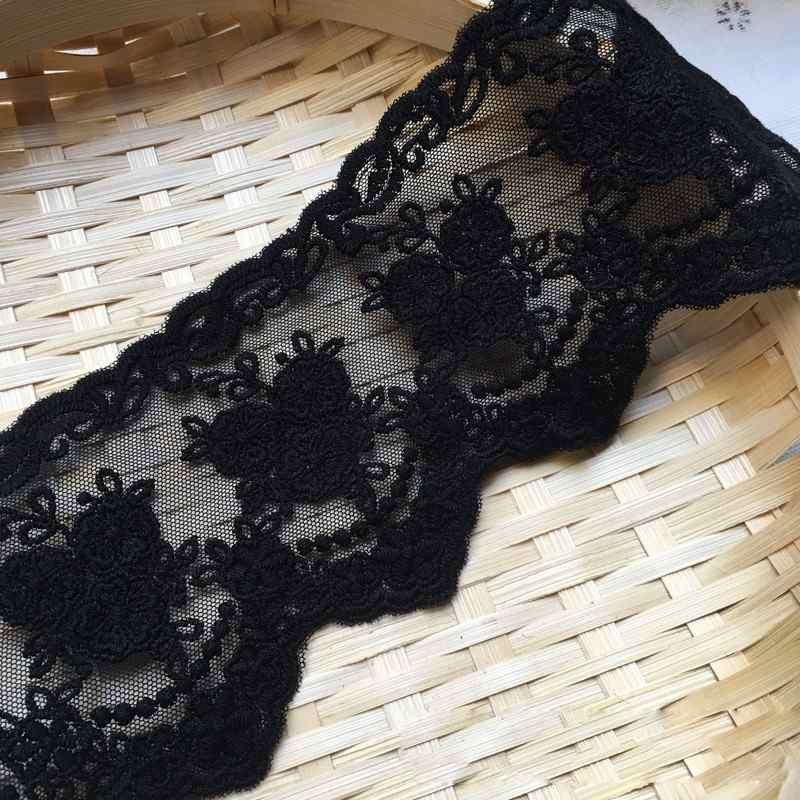
In the modern era, lace continues to inspire designers worldwide. It appears in high fashion, ready-to-wear clothing, and even home décor. For example, white lace remains a favorite choice for bridal gowns, while black lace gives eveningwear a sense of mystery and confidence.
In addition, lace is also popular in the Middle East, where golden or beaded lace appliqués highlight the luxurious details of abaya and couture dresses.
If you’re looking for inspiration or sourcing ideas, browse our Lotilace lace trim collections. You’ll find diverse designs that blend traditional techniques with modern fashion trends.
5. The Symbolism of Lace
Lace has always carried deep cultural meaning. In Western weddings, it stands for purity, love, and grace. Meanwhile, in the Middle East, it represents dignity and opulence. These associations make lace more than just a material—it’s a language of style that crosses cultures and centuries.
Conclusion: The Timeless Allure of Lace
From royal courts to modern runways, lace continues to connect the past with the present. It is both delicate and strong, both artistic and functional.
At Lotilace, we honor this heritage by offering premium lace fabrics, trims, and appliqués designed for modern creators.
👉 Explore our lace collections
👉 Contact us for samples and wholesale inquiries