Lace appliqué and embroidery are both widely used in fashion design. However, many designers and buyers often wonder about the difference between lace appliqué vs embroidery.
Although both techniques add decoration and texture to garments, they are created in very different ways. As a result, they produce different visual effects and suit different types of clothing.
In this guide, we will explain the key differences between lace appliqué vs embroidery and help you decide which option is best for your design needs.
What Is Lace Appliqué?
Lace appliqué refers to decorative lace motifs that are attached to the surface of a garment. Designers usually sew or fix lace appliqué onto fabrics such as tulle, chiffon, or satin.
Unlike embroidery, lace appliqué is created separately and then applied to the garment. Because of this, it often creates a more dimensional and layered effect.
👉 You can also explore our guide on how to use lace appliqué in fashion design.
What Is Embroidery?
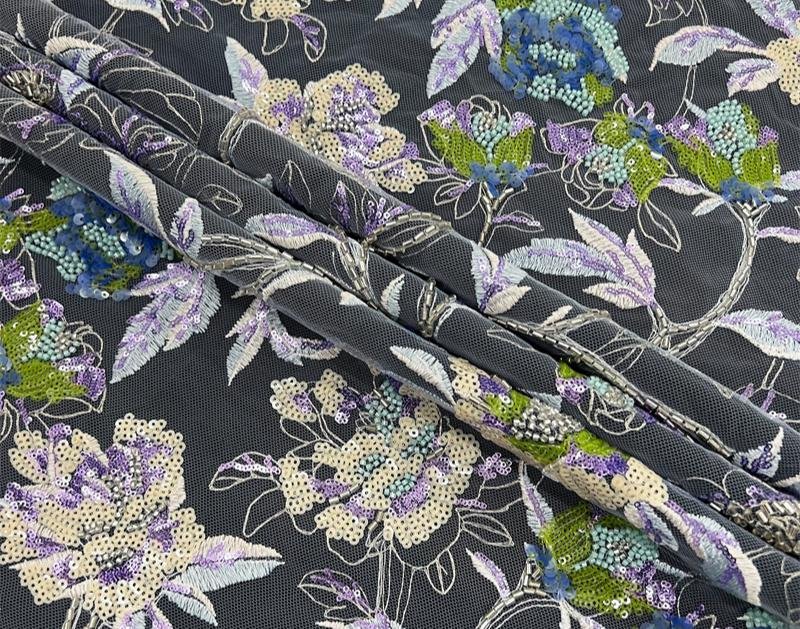
Embroidery is a technique where patterns are stitched directly onto the fabric using threads. The design is created as part of the fabric itself rather than being added separately.
As a result, embroidery usually appears flatter than lace appliqué. However, it offers high precision and is widely used for logos, patterns, and detailed decorations.
Key Differences Between Lace Appliqué and Embroidery
Although lace appliqué and embroidery may look similar at first, there are several important differences.
| Feature | Lace Appliqué | Embroidery |
|---|---|---|
| Structure | Attached onto fabric | Stitched into fabric |
| Texture | 3D and layered | Flat or slightly raised |
| Design Flexibility | High | Medium |
| Application Method | Sewn or glued | Direct stitching |
| Visual Impact | Strong and decorative | Clean and subtle |
Because of these differences, each technique is suitable for different design purposes.
When to Use Lace Appliqué
Lace appliqué is ideal for designs that require strong visual impact and elegance.
Designers often use lace appliqué for:
- wedding dresses
- evening gowns
- couture fashion
- statement pieces
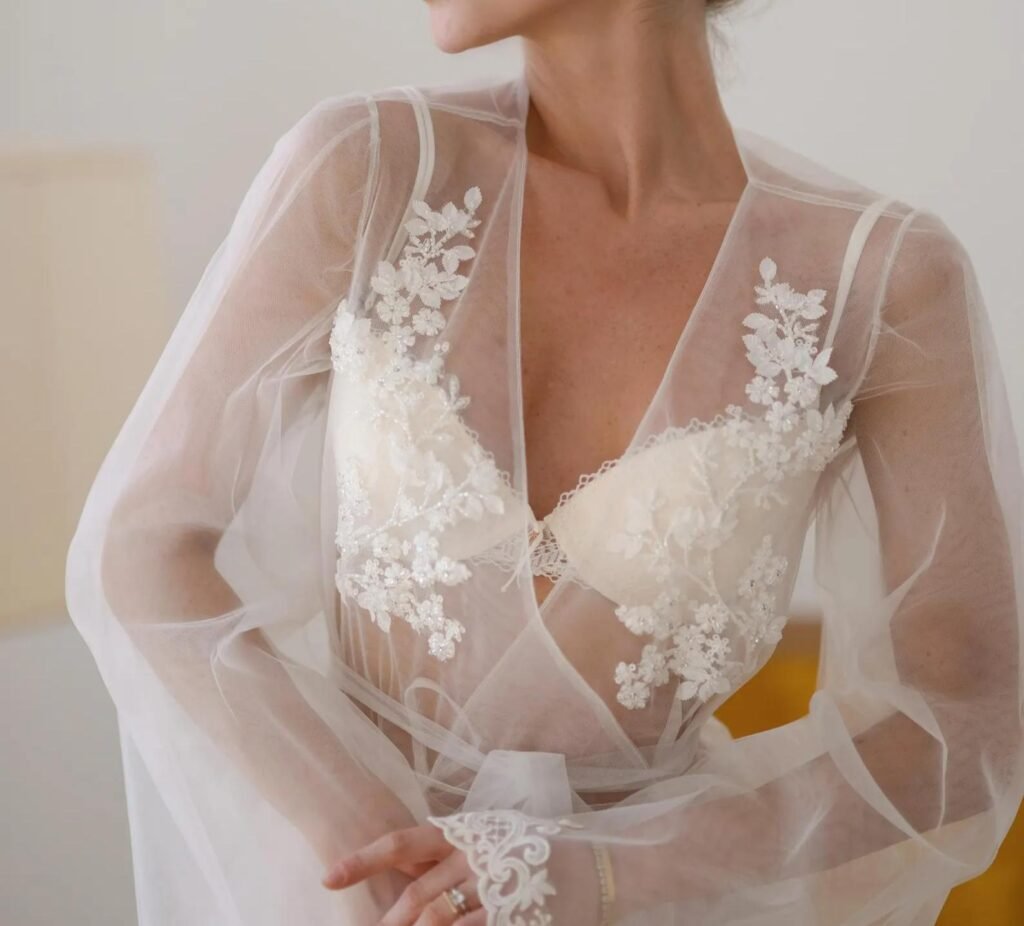
In addition, lace appliqué works well when designers want to highlight specific areas such as necklines, sleeves, or waistlines.
👉 Browse our lace appliqué collection to explore more styles.
When to Use Embroidery
Embroidery is more suitable for designs that require precision and durability.
It is commonly used for:
- logos and branding
- uniforms
- casual wear
- minimal decoration
Because embroidery is stitched directly into the fabric, it is often more durable for everyday garments.
Which One Should You Choose?
Choosing between lace appliqué vs embroidery depends on your design goals.
- If you want a luxurious and high-end look, lace appliqué is the better choice.
- If you need durability and simple decoration, embroidery works better.
- If your design focuses on visual impact, lace appliqué offers more flexibility.
Therefore, understanding the differences between lace appliqué vs embroidery can help designers make better decisions.
Final Thoughts
Both lace appliqué and embroidery play important roles in fashion design. While lace appliqué offers elegance and dimension, embroidery provides precision and durability.
By choosing the right technique, designers can create garments that are both beautiful and functional.